Signers of the Declaration of Independence

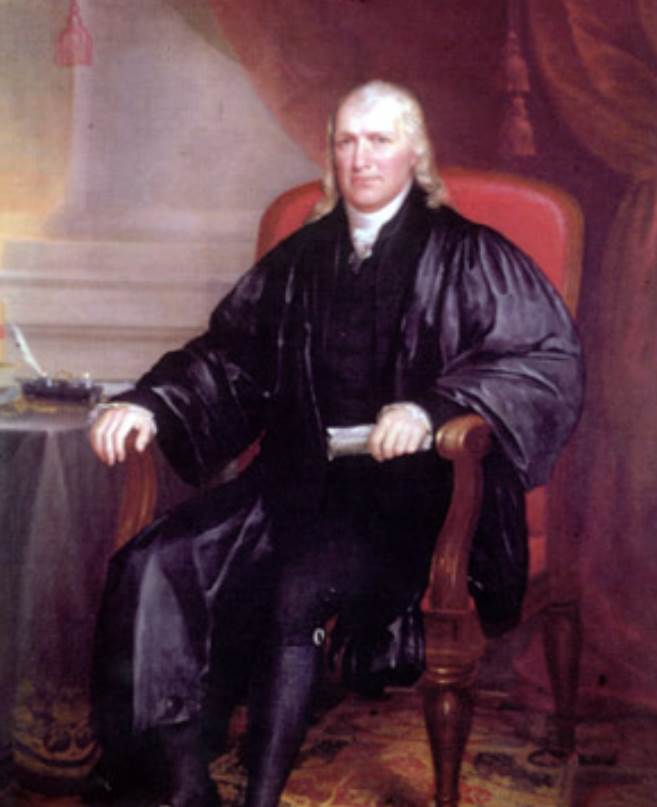
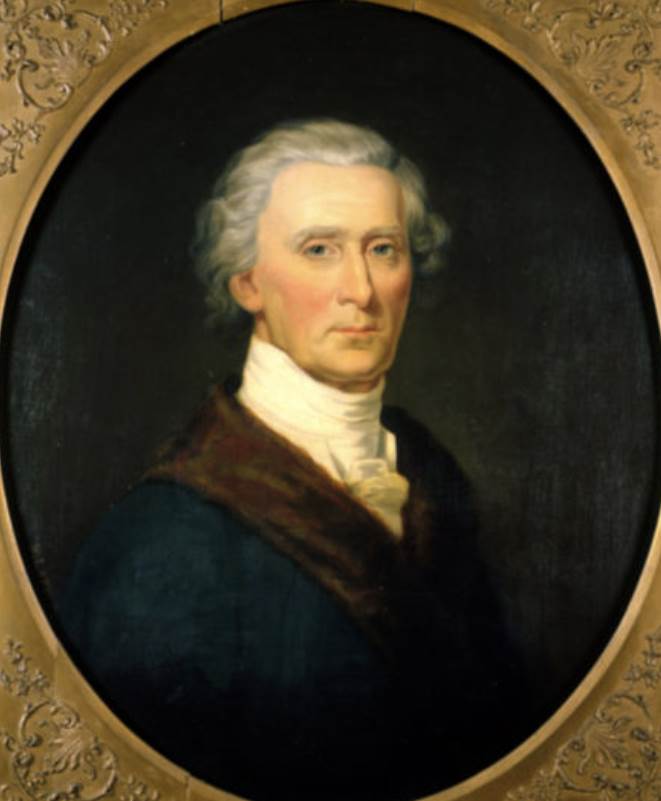
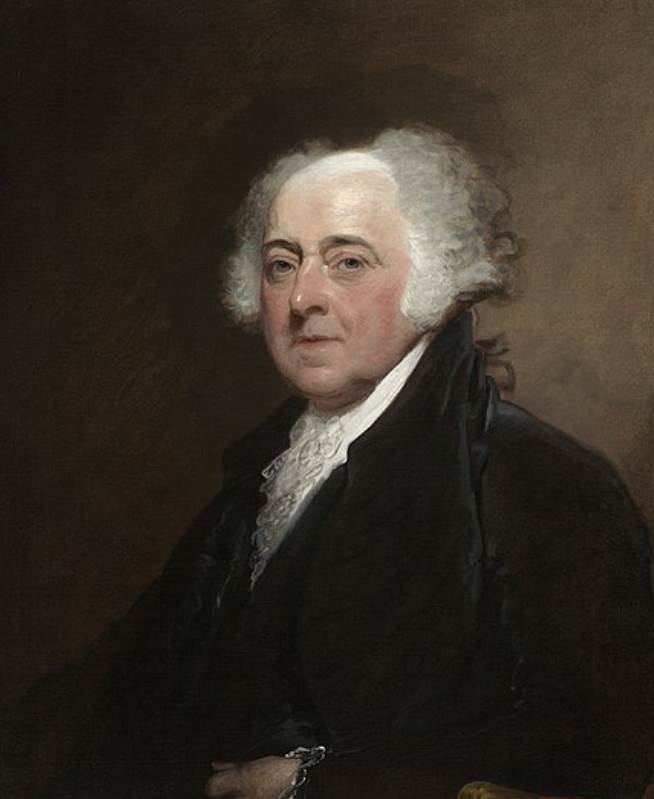
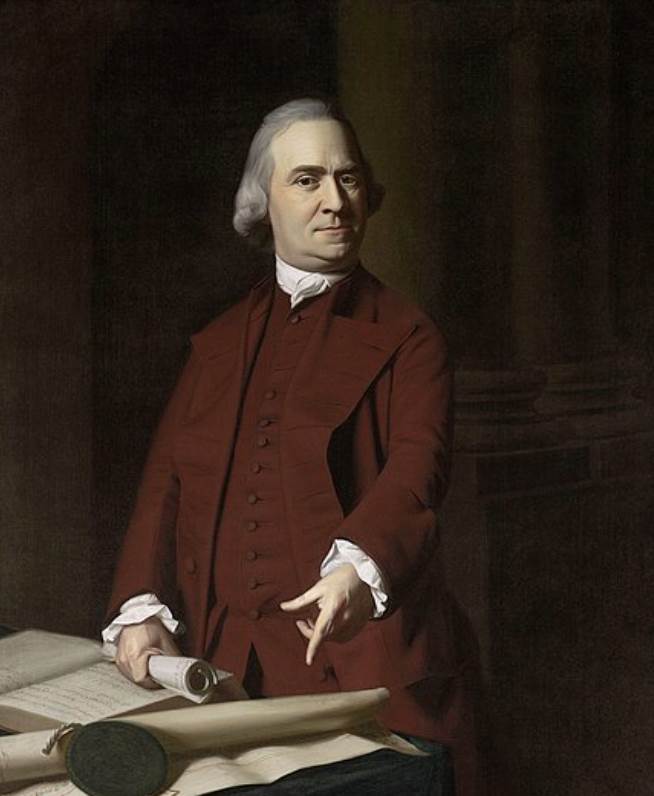
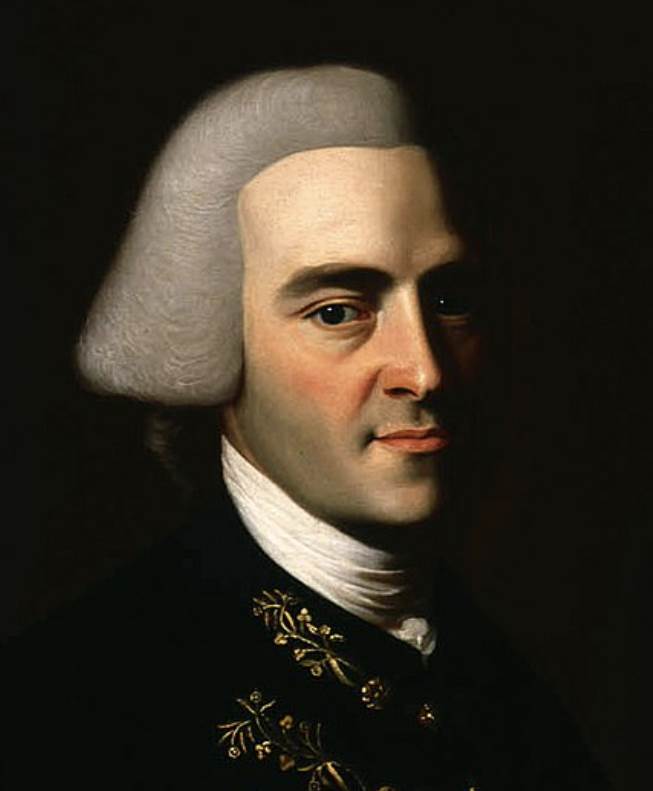
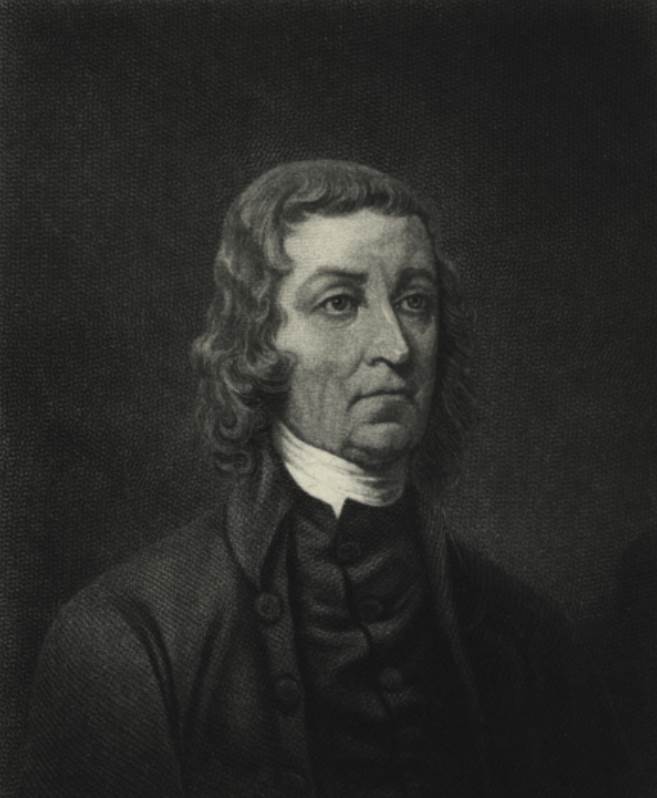
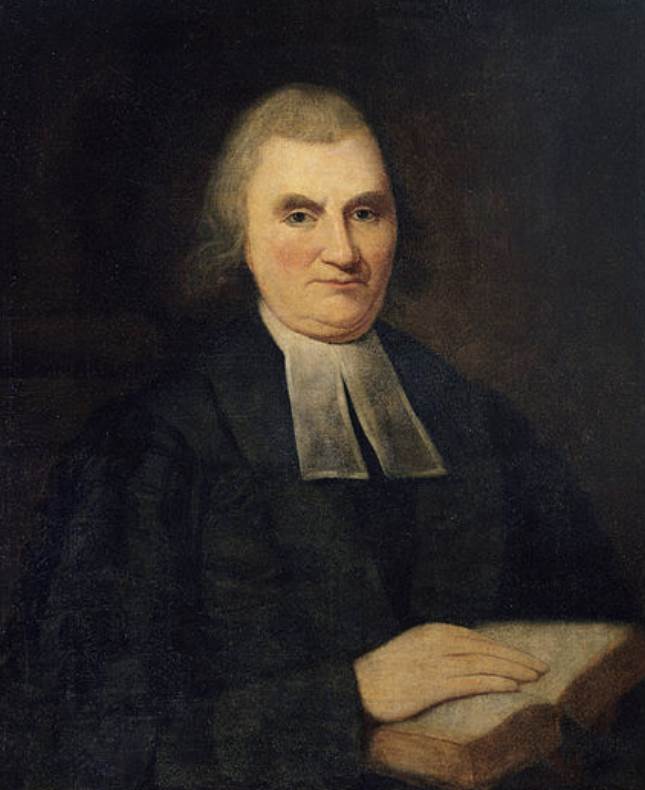
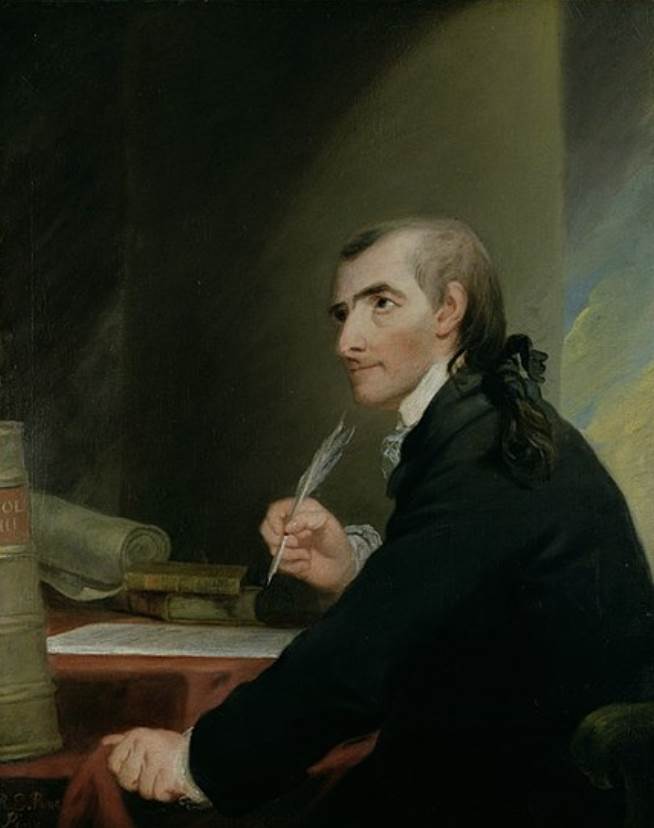
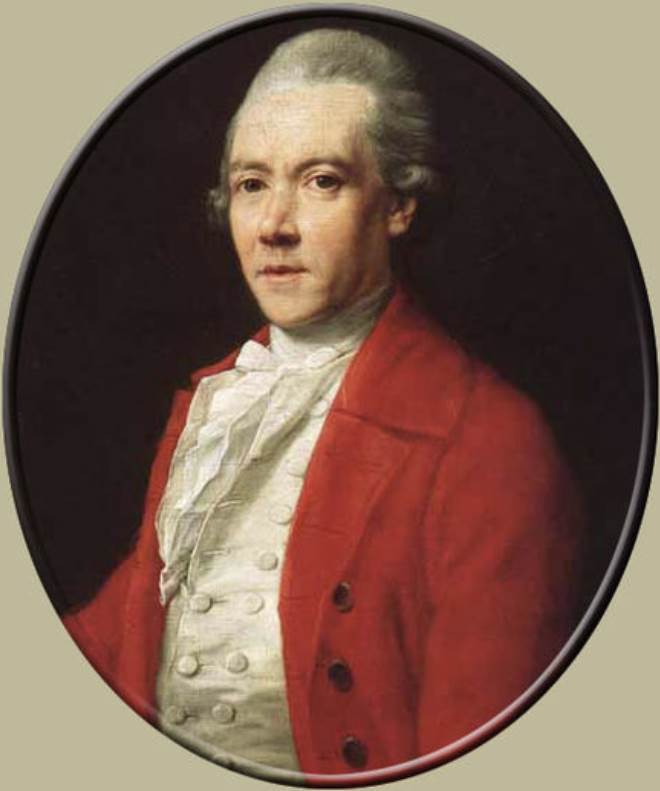
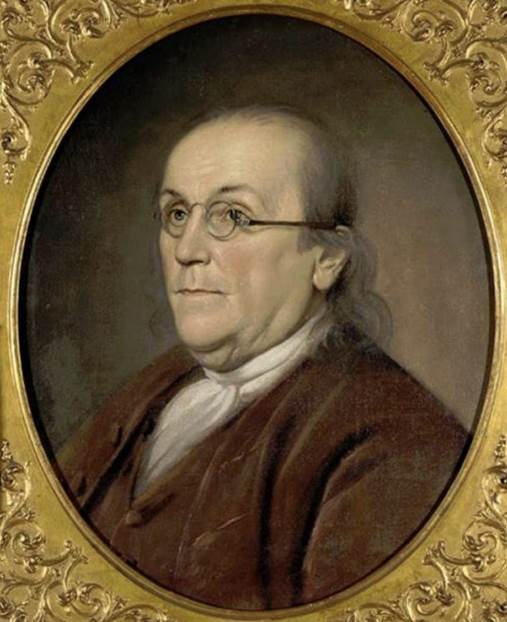
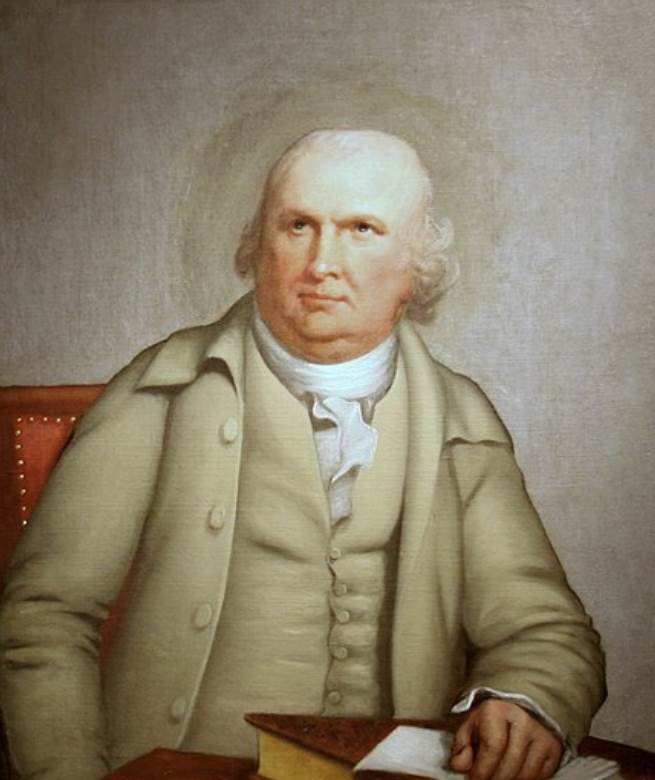
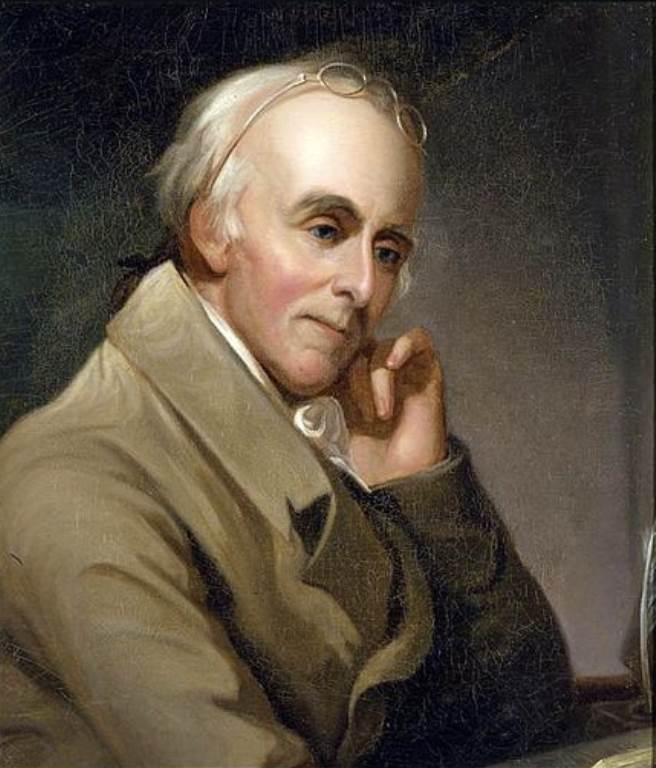
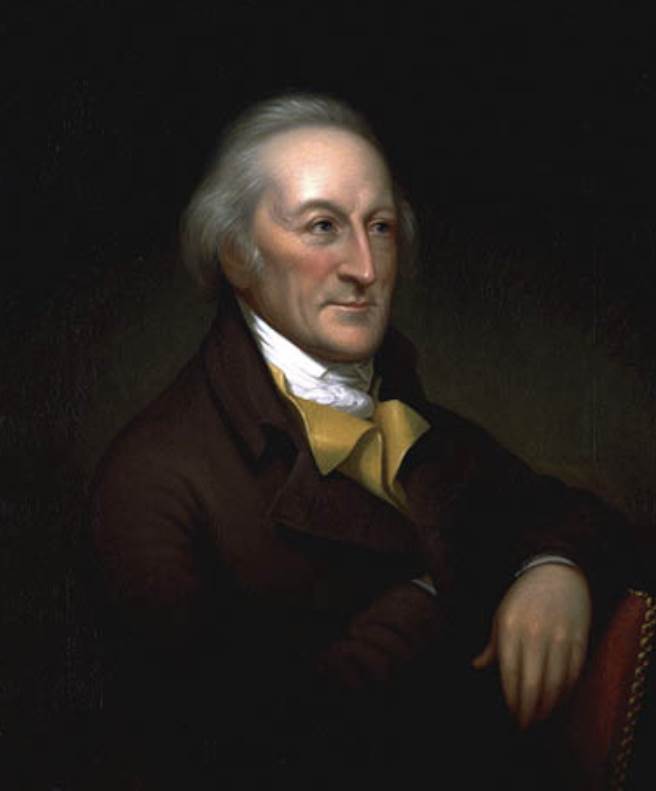
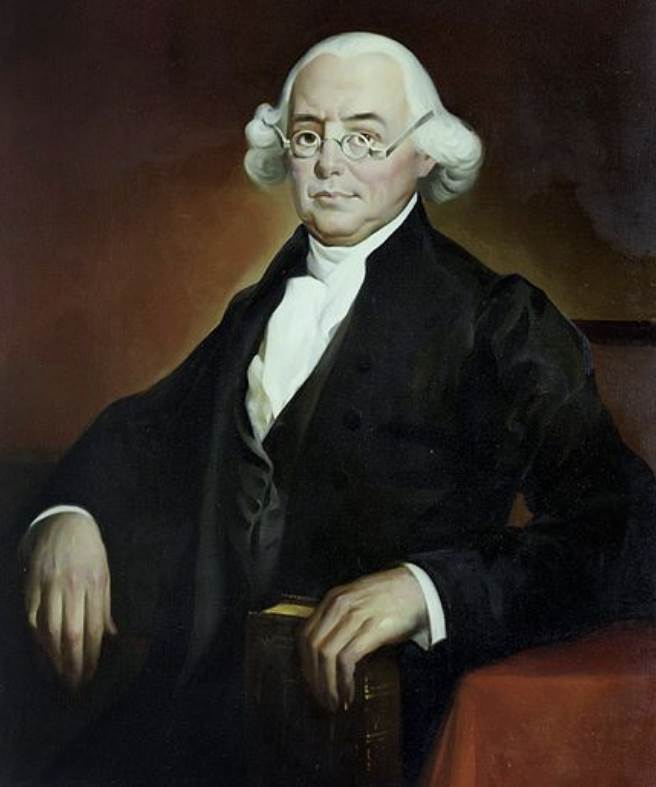
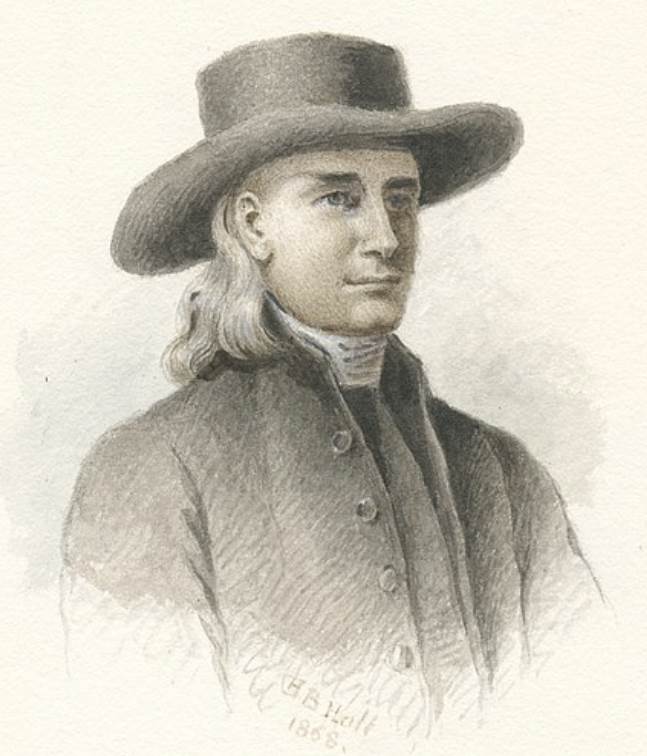
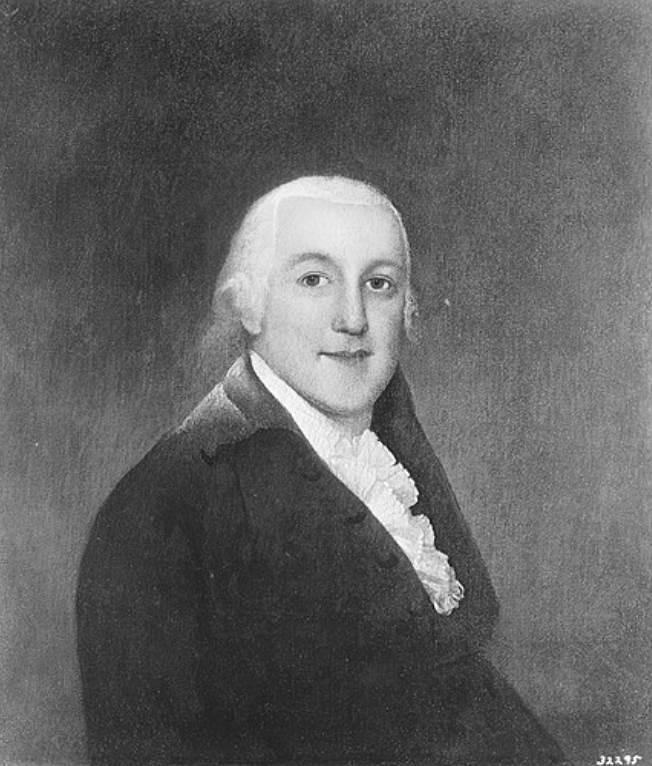
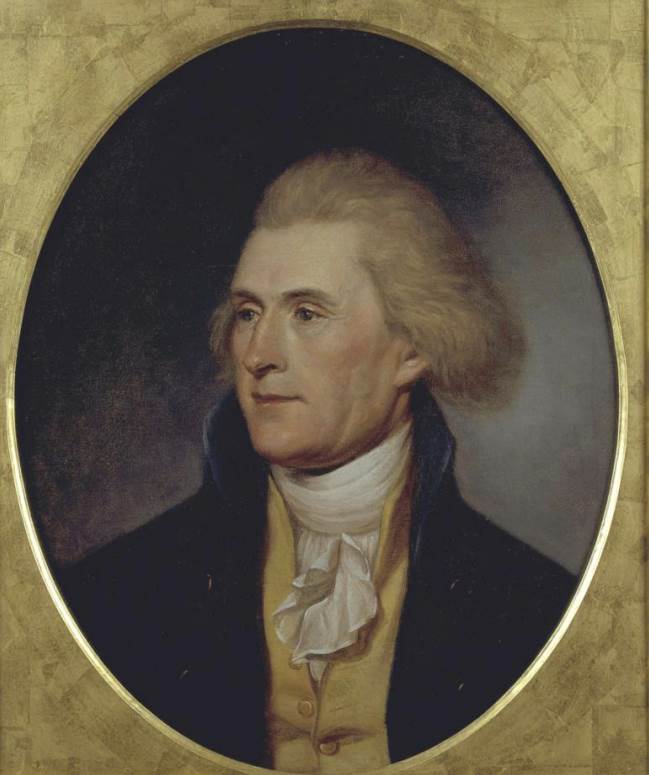
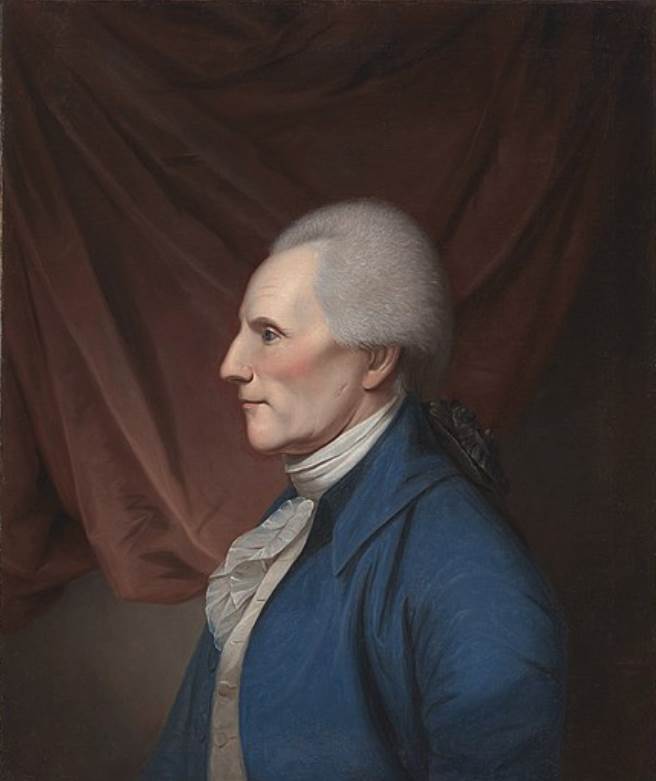
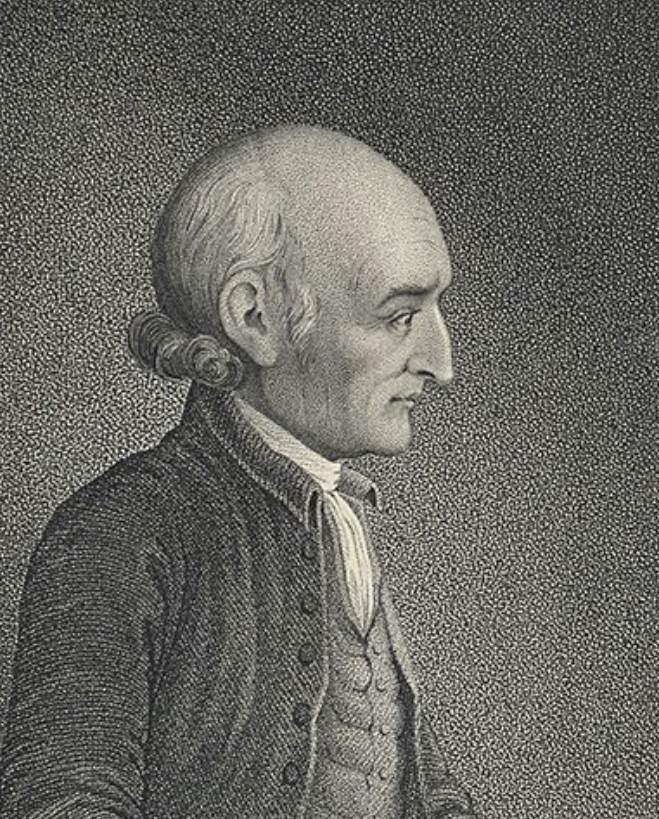
Fifty-six delegates put their names to the document that severed the American colonies from the British Empire. Organized below by colony, with portraits, biographies, and links to each signer's full profile.

56 signers · 13 colonies · July–August 1776
56 Total signers
13 Colonies represented
26 Youngest signer (Edward Rutledge)
70 Oldest signer (Benjamin Franklin)

Every signer, organized by colony

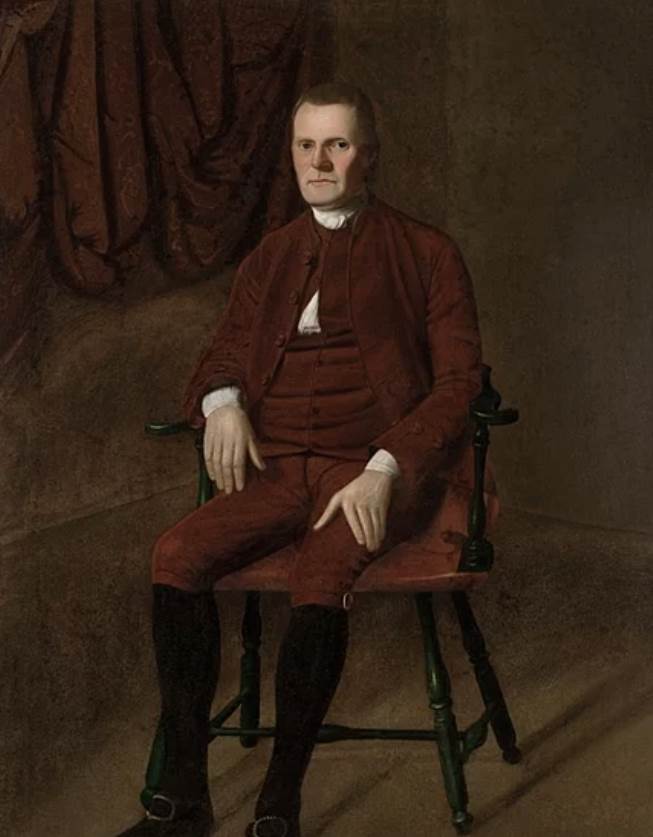
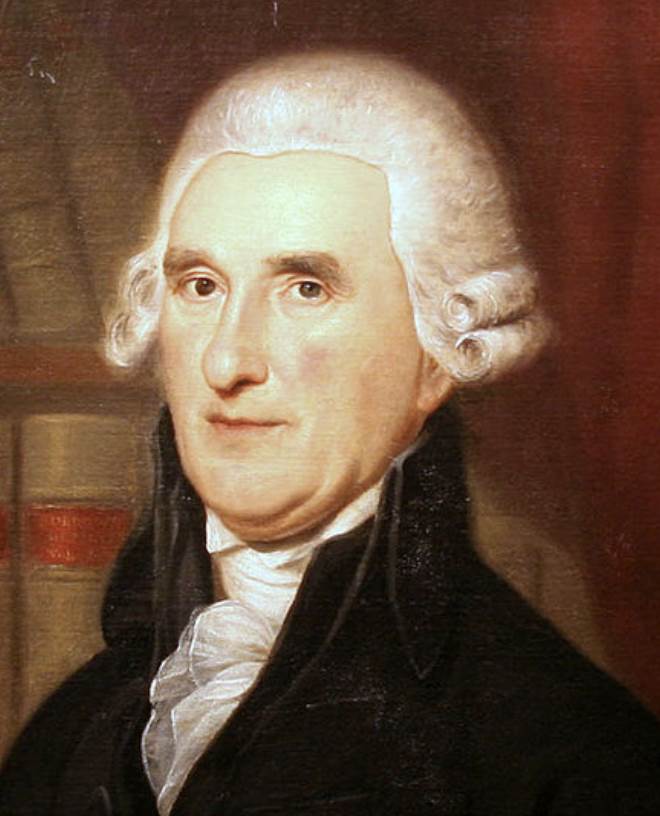
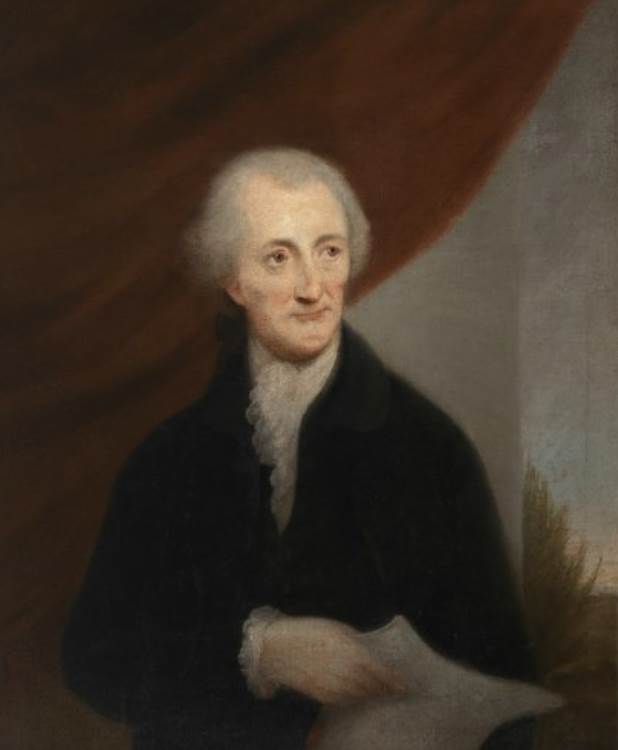
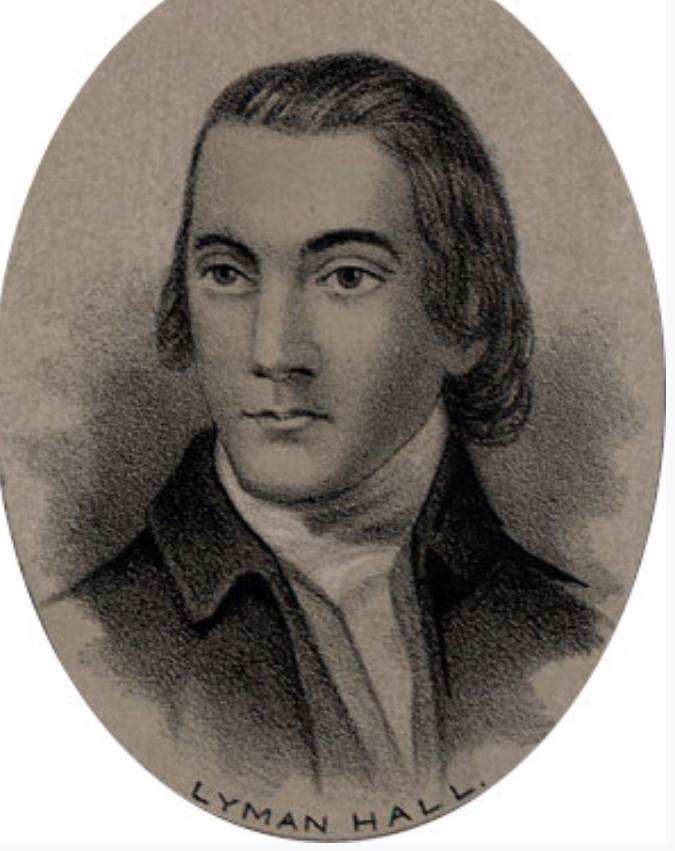
The Declaration was signed by delegation, colony by colony, in the order Congress had voted on independence. Portraits link to full biographies where available.

Connecticut

4 signers

Delaware

3 signers

Georgia

3 signers

Maryland

4 signers

Massachusetts

5 signers

New Hampshire

3 signers

New Jersey

5 signers

New York

4 signers

North Carolina

3 signers

Pennsylvania

9 signers — the largest delegation

Rhode Island

2 signers

South Carolina

4 signers

Virginia

7 signers

The Signing: When and Where

The Continental Congress adopted the Declaration of Independence on July 4, 1776, in the Pennsylvania State House (now Independence Hall) in Philadelphia. But that date marks the approval of the text, not the ceremony most people picture.

The famous signing — the one with John Hancock's enormous signature at the center — took place on August 2, 1776, after the engrossed parchment copy was ready. Not every signer was present that day. Several delegates signed weeks or even months later when they finally arrived in Philadelphia.

Contrary to popular belief, there was no single dramatic moment when all 56 men lined up to sign. It was a process that stretched from early July into the fall of 1776, as delegates came and went and the parchment was passed around.

Who Signed First?

John Hancock, as President of the Continental Congress, signed first and centered his name below the text in large, bold letters. The story goes that he remarked that King George III should be able to read it without his spectacles. Whether or not he said those exact words, the signature itself is unmistakable — it is by far the largest on the document and has become synonymous with the idea of a signature in American English.

The remaining delegates signed by state delegation, roughly from north to south, beginning with New Hampshire and ending with Virginia.

Who Refused to Sign?

Several delegates present during the debate chose not to sign. The two most notable holdouts were John Dickinson of Pennsylvania and Robert Livingston of New York.

Dickinson believed the colonies should pursue reconciliation with Britain and that declaring independence was premature. He abstained from the vote and refused to sign, though he later joined the Continental Army and served in the militia — putting his life on the line for the cause he had been reluctant to declare.

Livingston was one of the five men on the committee that drafted the Declaration (alongside Jefferson, Adams, Franklin, and Sherman), but he was called back to New York before the vote and never signed. He later administered the oath of office to George Washington as the first Chief Justice of the United States.

Notable Absences: Founders Who Didn't Sign

Several of the most famous Founding Fathers were nowhere near Philadelphia when the Declaration was signed. Here is where they were instead.

Commander-in-Chief of the Continental Army, stationed in New York preparing defenses against the British invasion. He had the Declaration read aloud to his troops on July 9, 1776.
Not a delegate to the Continental Congress in 1776. He was a 19-year-old artillery captain in New York, serving under Washington. He would later attend the Constitutional Convention and sign the Constitution.
Only 25 in 1776 and not yet a member of Congress. He was serving in the Virginia state legislature. He would later earn the title "Father of the Constitution" at the 1787 convention.
Away on diplomatic and military duties in New York. He served on the committee that drafted the New York state constitution. Later the first Chief Justice of the Supreme Court.
Not a member of Congress in 1776. He was serving in the New York Provincial Congress. He later wrote the final draft of the U.S. Constitution, including its famous preamble.

5 Things You Didn't Know About the Signers

  1. 1
    One in five signers lost their homes to the British.

    At least a dozen signers had their houses looted, burned, or occupied by British forces. Philip Livingston, Francis Lewis, and John Hart were among those who lost nearly everything.

  2. 2
    Two signers died penniless after funding the Revolution.

    Robert Morris, the "Financier of the Revolution," spent his personal fortune bankrolling the war and ended up in debtor's prison. Carter Braxton lost his ships and wealth in similar fashion.

  3. 3
    The signers were not unanimously enthusiastic.

    George Read of Delaware voted against independence on July 2, then signed the Declaration anyway once the vote carried. Several others had deep reservations but chose solidarity over dissent.

  4. 4
    Two pairs of brothers signed together.

    Richard Henry Lee and Francis Lightfoot Lee of Virginia, and Edward Rutledge and his fellow South Carolina delegates (no brothers, though — that detail is worth double-checking before quoting). But the Lees were the only brothers among the 56.

  5. 5
    Only one signer's signature is virtually unobtainable.

    Button Gwinnett of Georgia died in a duel in 1777, leaving fewer than 50 known examples of his handwriting. A single Gwinnett signature sold at auction for $722,000 in 2010 — more than some signers' entire estates were worth.

Ask the Signers

Pick any founder from the list above and ask a question. The chat draws on their writings, speeches, and recorded positions.

Browse all founder profiles