What Did the Founding Fathers Eat? Their Favorite Foods and Drinks
Thomas Jefferson brought macaroni and cheese back from France. George Washington started every morning with hoecakes and honey. Benjamin Franklin championed the turkey and introduced tofu to American readers.
The Founding Fathers were not just political figures shaping a new nation. They were also eaters, drinkers, gardeners, and hosts whose tastes ran from the simple to the extravagant. Here is what historical records tell us about what they put on their plates.
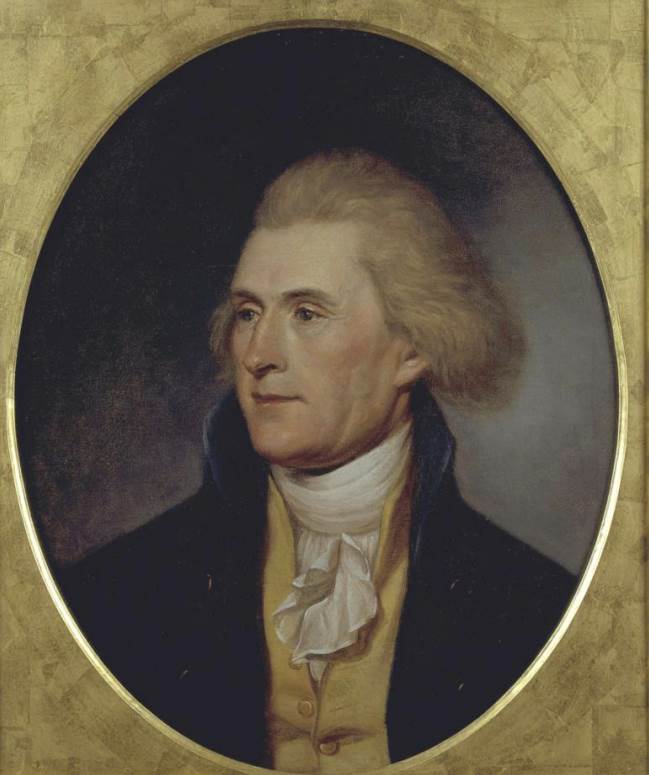
Thomas Jefferson: America's First Foodie
No founder did more to shape American eating habits than Thomas Jefferson. During his five years as Minister to France (1785-1789), he developed a deep fascination with French cuisine and brought back recipes, ingredients, and techniques that were virtually unknown in the young United States.
Jefferson arranged for his enslaved cook, James Hemings, to train in Parisian kitchens. Hemings became an accomplished French chef, and his skills transformed the table at Monticello. After Hemings earned his freedom, Jefferson continued to employ French-trained chefs for the rest of his life.
The foods Jefferson introduced or popularized in America read like a modern restaurant menu: pasta (he served a baked macaroni dish with parmesan cheese that evolved into macaroni and cheese), French fries (he had them served at a White House dinner in 1802), waffles, and ice cream. His handwritten recipe for vanilla ice cream survives in the Library of Congress. He also imported olive oil, mustard, and Champagne.
At Monticello, Jefferson grew over 300 varieties of 89 species of vegetables in his thousand-foot-long terraced garden. He experimented with tomatoes, peppers, eggplant, and broccoli at a time when many Americans considered them exotic or even suspicious. His garden notes, meticulously kept over decades, remain one of the finest early American horticultural records.
Jefferson was also one of the earliest American wine connoisseurs. He made a celebrated tour through the wine regions of France, Germany, and Italy, and later advised several presidents on White House wine purchases. His preference leaned toward lighter French wines, particularly from Burgundy and the Rhone.
- Vanilla ice cream (his own recipe)
- Macaroni and cheese (baked with parmesan)
- French fries (served at the White House)
- Waffles with syrup
- Olive oil and French mustard
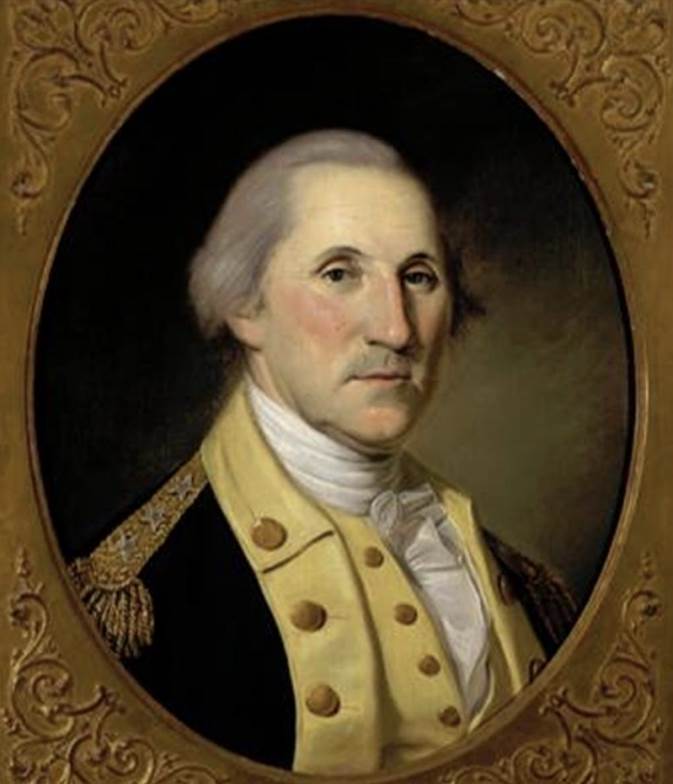
Washington's Hoecakes and Martha's Great Cake
George Washington kept his tastes relatively plain compared to Jefferson, but his breakfast habits are among the best-documented of any founder. Nearly every morning at Mount Vernon, Washington ate hoecakes -- simple cornmeal pancakes cooked on a griddle or the flat of a hoe -- served with butter and honey. He typically washed them down with three cups of tea.
Washington also enjoyed Madeira wine, a fortified wine from the Portuguese island that was enormously popular in colonial America. He ordered it by the pipe (a large cask holding roughly 100 gallons) and served it regularly at Mount Vernon. Fish from the Potomac, nuts, and seasonal fruits rounded out his usual diet.
Martha Washington's recipe for Great Cake has survived in the Mount Vernon archives. It was a massive fruitcake meant for celebrations, calling for 40 eggs, 4 pounds of butter, 5 pounds of flour, 5 pounds of fruit, and a quart each of wine and brandy. It was not everyday food but a showpiece for holidays and important guests.
Later in life, Washington's dental problems severely restricted what he could eat. By the time he became president, he had only one natural tooth remaining. His famous dentures -- made from ivory, metal, and human teeth, not wood -- made it painful to chew hard foods. Dinner guests noted that the president often ate soft foods like cornmeal mush, boiled meats, and fish stews.
- Hoecakes with butter and honey
- Madeira wine (ordered by the barrel)
- Potomac fish and shellfish
- Nuts and dried fruit
- Martha Washington's Great Cake (for special occasions)
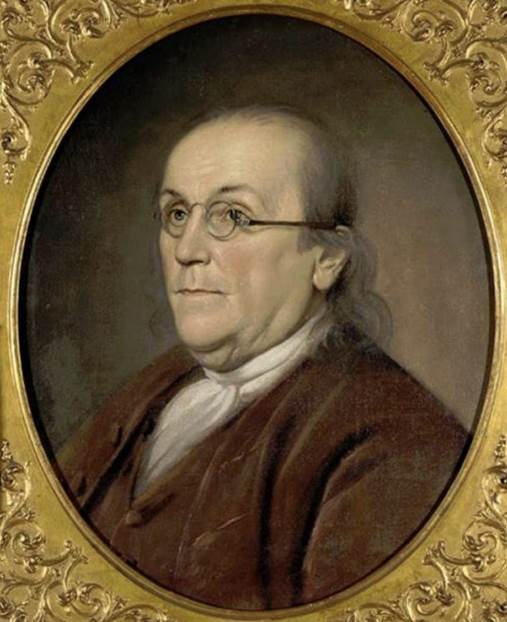
Franklin's Global Palate
Benjamin Franklin's curiosity about food matched his curiosity about everything else. He wrote about the nutritional virtues of corn and potatoes at a time when many Europeans considered them inferior to wheat. He helped introduce or promote several foods that are now American staples: rhubarb, which he encountered in England and sent seeds home to Pennsylvania; kale, which he praised in his writings; and tofu, which he described as "cheese from China" in a 1770 letter.
Franklin published practical cooking advice and recipes in Poor Richard's Almanack, mixing food wisdom with his characteristic wit. He understood nutrition in an era when the concept barely existed, advocating for a simple, vegetable-heavy diet that he believed sharpened the mind and improved health.
Perhaps his most famous food opinion was about the turkey. In a 1784 letter to his daughter, Franklin famously wrote that the bald eagle was "a bird of bad moral character" and that the turkey was "a much more respectable bird, and withal a true original native of America." Though often exaggerated in retelling, the passage reflects Franklin's practical, American-centered worldview -- and his appreciation for good eating.
During his years in France as a diplomat, Franklin embraced French cuisine, though he never lost his taste for simple American fare. He was known to enjoy cheese, apples, and good company at the dinner table, often using meals as occasions for diplomacy and conversation.
- Tofu ("cheese from China")
- Rhubarb (sent seeds from England)
- Corn and potatoes (championed in his writings)
- Turkey ("a more respectable bird")
- Kale and other greens
Other Founders and Their Favorite Dishes
Every founder had his own tastes. Here is what the historical record tells us about the rest.
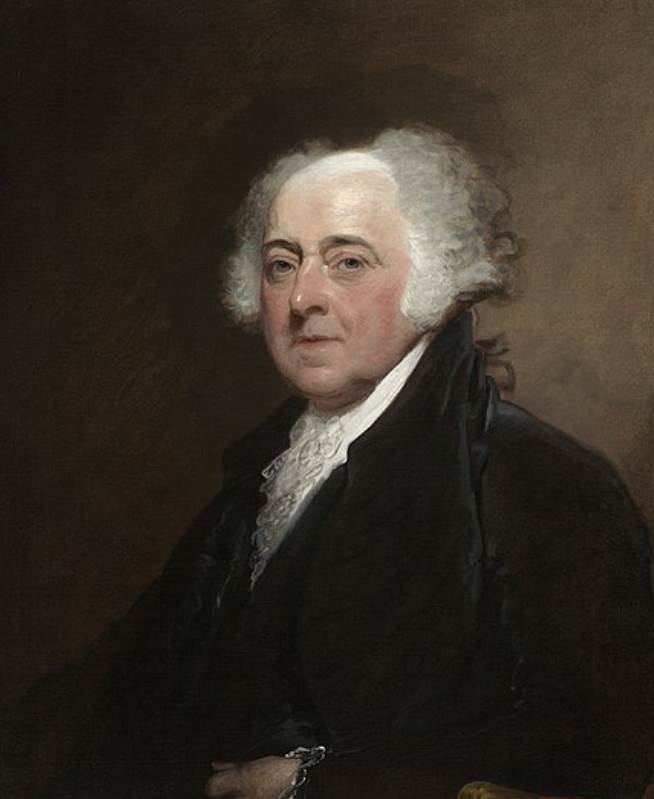
John Adams: Hard Cider and New England Comfort Food
John Adams drank a tankard of hard cider nearly every morning before breakfast, a habit he maintained for most of his life. He called it "one of the most agreeable and wholesome drinks in the world." His New England roots showed in his food preferences: apple pan dowdy (a rustic baked apple dessert similar to pandowdy) was a family favorite, along with clam chowder and traditional New England boiled dinners of corned beef and root vegetables.
Adams was famously frugal and preferred simple meals. His wife Abigail managed their farm in Braintree, Massachusetts, and their correspondence is full of details about harvests, livestock, and the practical business of feeding a family in revolutionary America.
- Hard cider (daily, often at breakfast)
- Apple pan dowdy
- New England clam chowder
- Boiled dinner with corned beef
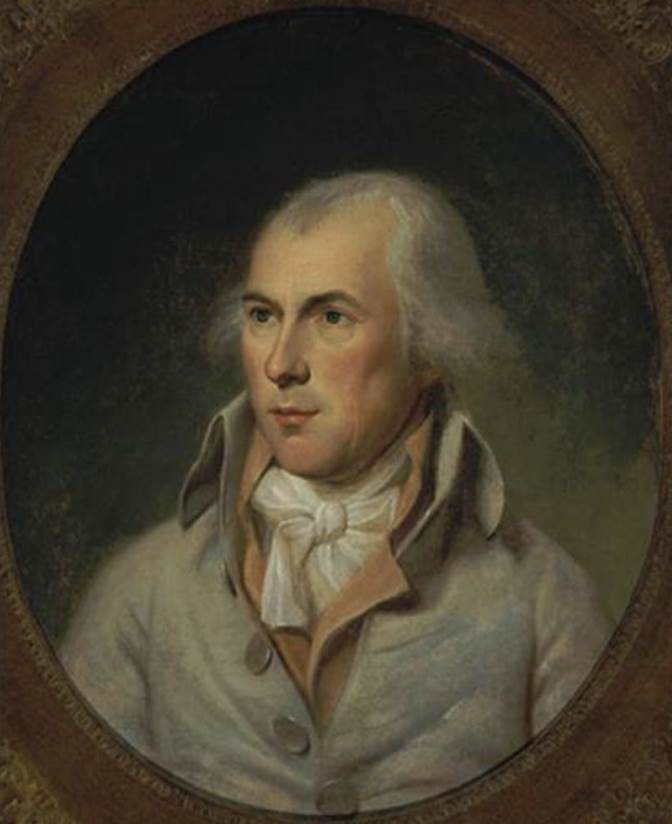
James Madison: Dolley's Famous Table
James Madison himself preferred simple Virginia fare when dining alone -- roasted meats, cornbread, and vegetables from his Montpelier garden. But his wife Dolley Madison transformed White House entertaining. She was famous for her lavish dinners, and she is widely credited with popularizing ice cream at White House social events, serving it to startled but delighted guests.
A new variety of Champagne, supposedly pink in color, is said to have been first served at a Madison White House reception. Whether or not the story is strictly true, Dolley's reputation for hospitality and excellent food was genuine. Her Wednesday evening "squeezes" -- informal receptions open to anyone -- became legendary in Washington society.
- Ice cream (popularized at White House events)
- Virginia ham and cornbread
- Garden vegetables from Montpelier
- Champagne at state receptions
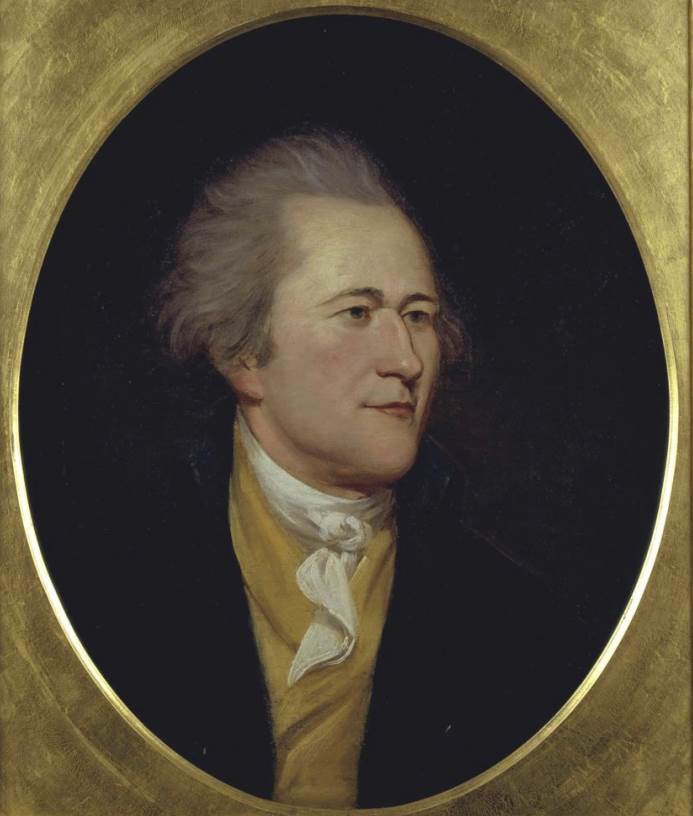
Alexander Hamilton: Caribbean Flavors, Simple Habits
Born on the Caribbean island of Nevis, Alexander Hamilton grew up with West Indian flavors -- salt fish, plantains, rum, and tropical fruits. After arriving in America as a teenager, his eating habits were shaped more by his frantic work schedule than by culinary ambition. He ate quickly and simply, often working through meals.
His wife, Elizabeth Schuyler Hamilton, came from one of New York's wealthiest Dutch families and managed the household cooking. The Schuyler family table would have featured a mix of Dutch-American dishes and the refined cuisine appropriate to their social standing. But Hamilton himself was too busy building a financial system to spend much time thinking about food.
- Salt fish and plantains (from his Caribbean childhood)
- Rum (a Caribbean staple)
- Simple, fast meals dictated by his workload
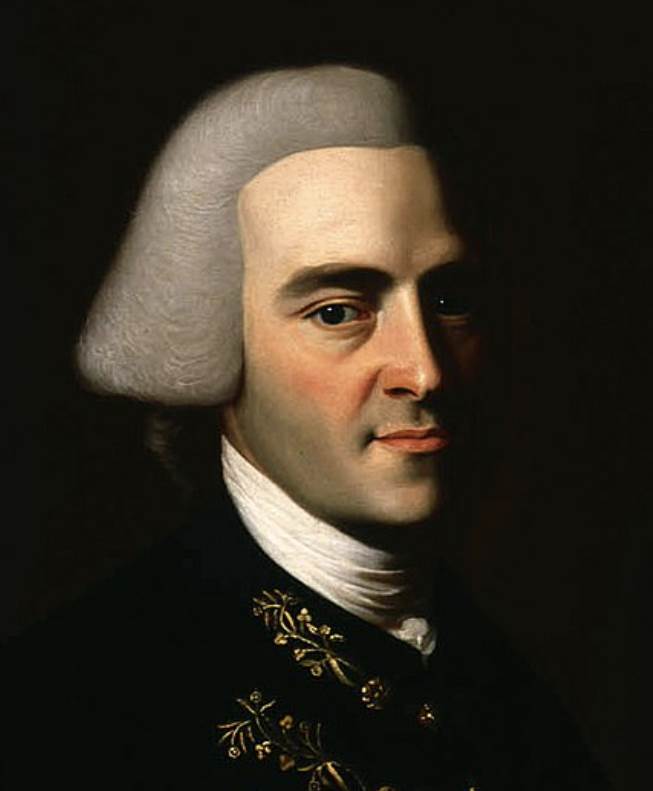
John Hancock: Boston's Most Lavish Table
John Hancock was one of the wealthiest men in colonial America, and his table reflected it. He hosted extravagant dinners at his Beacon Hill mansion, serving the finest imported wines, meats, and delicacies money could buy. His entertaining was legendary in Boston, where hospitality was both a social obligation and a political tool.
Hancock imported the best Madeira, port, and Claret. His kitchen prepared elaborate multi-course meals for the political and social elite of Massachusetts. At a time when most Bostonians ate simply, Hancock's table was one of the most luxurious in the colonies -- a visible sign of his fortune and his generosity.
- Imported wines (Madeira, port, Claret)
- Elaborate multi-course dinners
- The finest imported ingredients available
What Did Ordinary Americans Eat During the Revolution?
The Founding Fathers ate well, but most Americans during the Revolutionary era had far simpler diets. A typical colonial family relied on cornmeal (ground into mush, bread, or cakes), pork (the most common meat, salted for preservation), beans, root vegetables, and whatever could be grown or foraged locally. Fresh produce was seasonal; preservation meant salting, pickling, or drying.
Hard cider was the most common beverage in New England, safer than water and easier to produce than beer. In the South, corn whiskey served a similar role. Tea was popular until the Revolution made it politically suspect, after which many Americans switched to herbal infusions or coffee.
Soldiers in the Continental Army fared worse. Rations were supposed to include meat, bread or flour, and dried peas or beans, but supply shortages meant many soldiers went hungry. Valley Forge remains the most famous example: troops survived on "firecake" (a paste of flour and water baked on hot rocks) when proper rations ran out.
The founders' interest in food -- Jefferson's garden experiments, Franklin's nutritional writings, Washington's Mount Vernon table -- stood in sharp contrast to what most Americans could afford. Their food stories survive precisely because they were wealthy enough to document them.
Ask the Founders Yourself
Pick a founder and start a conversation. Ask Jefferson about his garden, Washington about Mount Vernon, or Franklin about his advice for living well.
Browse All Founders